The problem with the social sciences
Exploring tangible applications

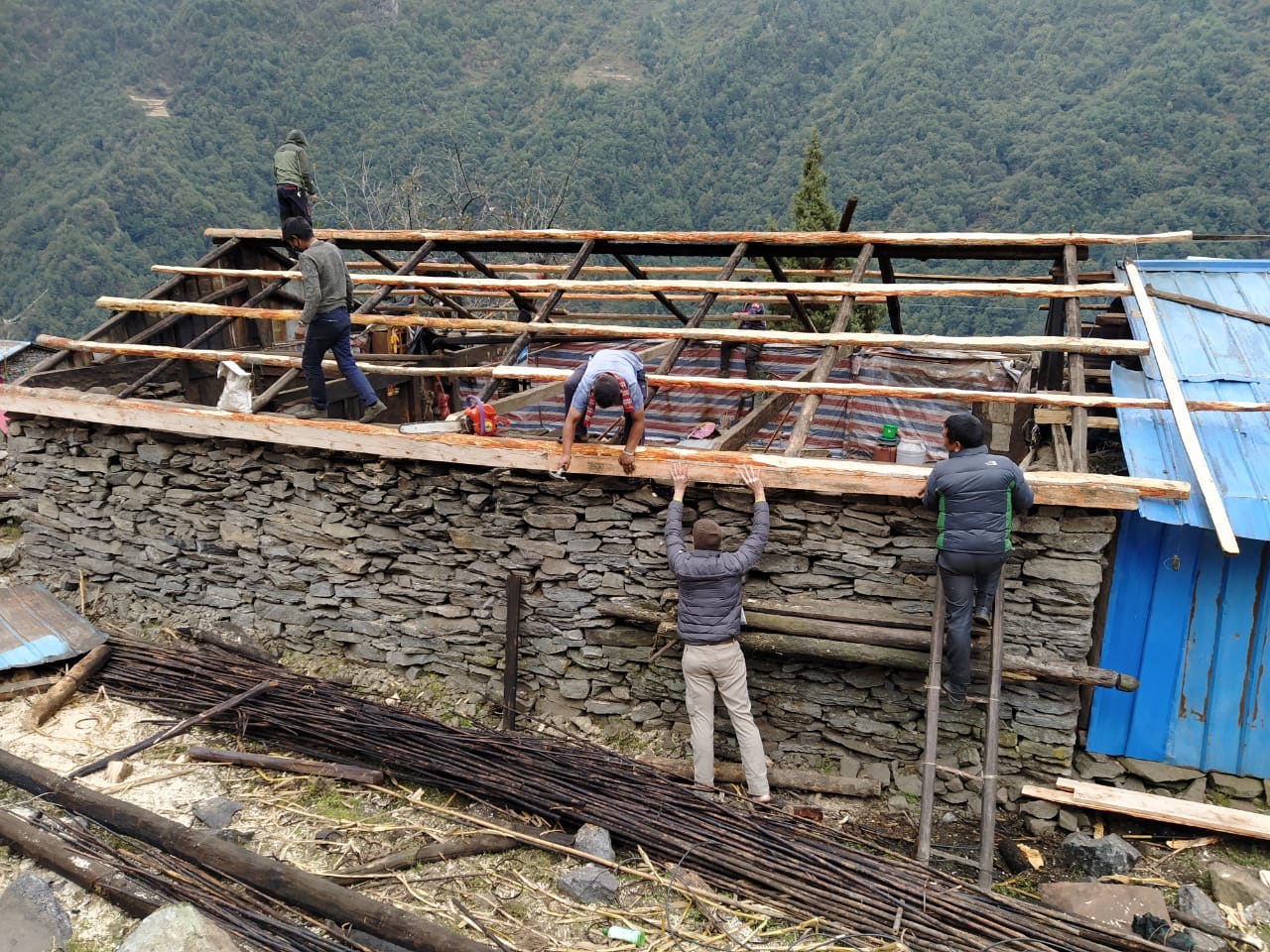
The field of social sciences has a problem. Social scientists have recognized it and are working to overcome it, but students and practitioners – let alone the general public – are still struggling with it. What tangible benefits does the field of social sciences offer the world?
Early in the history of sociology, Max Weber posited that what develops a nation is not money and technology, rather, it is ideas[1]. If this is true, then it could be argued that the social sciences are in the business of transforming the world. But how is this verified? Engineers improve lives by building infrastructure and products, businessmen move those products around the world, and financiers provide the funds to make it happen. These appear to be the fields advancing the development of the world. But, perhaps this is a misconception.
According to Arturo Escobar, post-World War II, the United States and other Western nations conceived an approach to development that has since greatly impacted the discourse[2]. This approach perceived the world as made up of three world orders: first world (capitalist), second world (communist), and “third world” (every other) nations. Escobar, a Colombian-American anthropologist, has argued that measuring development success against the benchmark of the West has in many ways been detrimental to the so-called, “third world” and alternative practices are requisite. For all of the aid given to “third world” and “underdeveloped” countries, there has been little developmental progress.
Escobar’s writing demonstrated that the social sciences could uncover the narratives that influence an individual’s and nation’s thinking, perceptions, and actions. Escobar is an elite social scientist who has acquired a well-deserved position in academia and his ideas are influential. But what of those who are outside of academia? Significantly, the trend of social scientists (both inside and outside of academia) is shifting to include a focus on benefitting the communities of those they work among[3]. Private funding, non-government organizations, and academic grants enable this work to become reality. Still, there is a lacuna of effort that demonstrates what the social sciences can tangibly offer communities.
As a linguist, I work to document and describe endangered languages so that the speakers of these groups might gain a sense of pride in using their language, preserve their traditional knowledge, and increase the effectiveness of early childhood education. As a sociologist, I endeavor to describe the ways societies organize themselves and operate in a complex world so that the individuals in these societies might better navigate cross-cultural communication barriers. In sum, I contribute preserving knowledge that can enhance individuals’ and community’ lives. Still, I have a desire to see my work have more tangible expressions.
[1] The School of Life. 2015. Sociology - Max Weber.
[2] Escobar, Arturo. 2012. Encountering Development: The Making and Unmaking of the Third World. Princeton University Press.
[3] “About – Center for a Public Anthropology.” 2018. https://www.publicanthropology.org/about/.